Best Cheap USB Hubs of 2025 (Speed, Power & Reliability Tested)
A great USB hub is invisible. A bad one ruins your day. Here are the best cheap picks that punch way above their price.
USB hubs are the unsung heroes of any modern desk. The right one delivers full bandwidth, charges your phone, and feels rock-solid. The wrong one bottlenecks your transfers and dies in 6 months. Here's how to pick a great one cheap.
In this in-depth guide we cover everything you need to know about cheap USB hubs — what they are, who they're for, the best models you can buy right now, what to avoid, and a simple framework for choosing the right one for your workspace. Whether you're a remote worker, student, gamer, or content creator, you'll find practical, fact-based picks below.
What Are Cheap USB hubs?
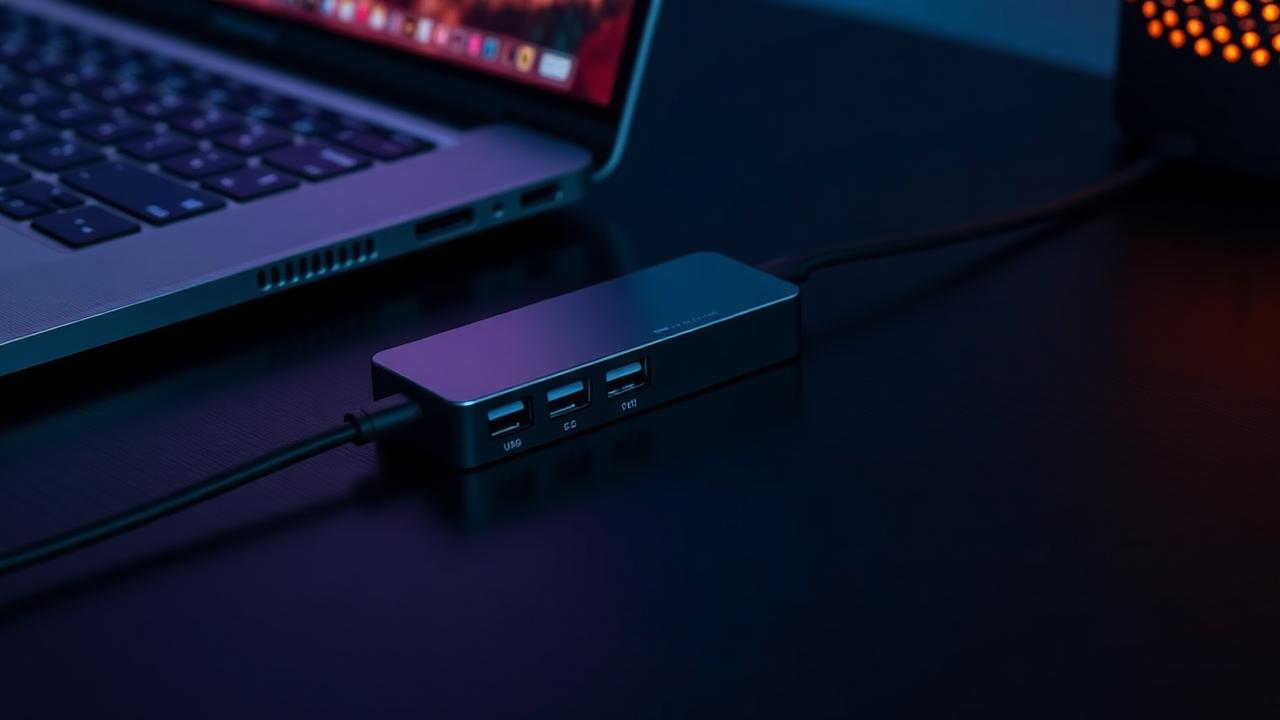
A USB hub expands one USB port on your computer into multiple ports — typically a mix of USB-A, USB-C, SD card, and HDMI. Cheap hubs work fine for everyday use; you only need premium models for video work.
According to a 2024 Statista report, the global desk accessories market is expected to reach $42 billion by 2027, growing at over 6% annually. The biggest driver? Hybrid and remote work. People are spending more time at their desks and are willing to invest small amounts to improve comfort, focus, and aesthetics — without overspending on premium gear.
Why You Should Care Right Now
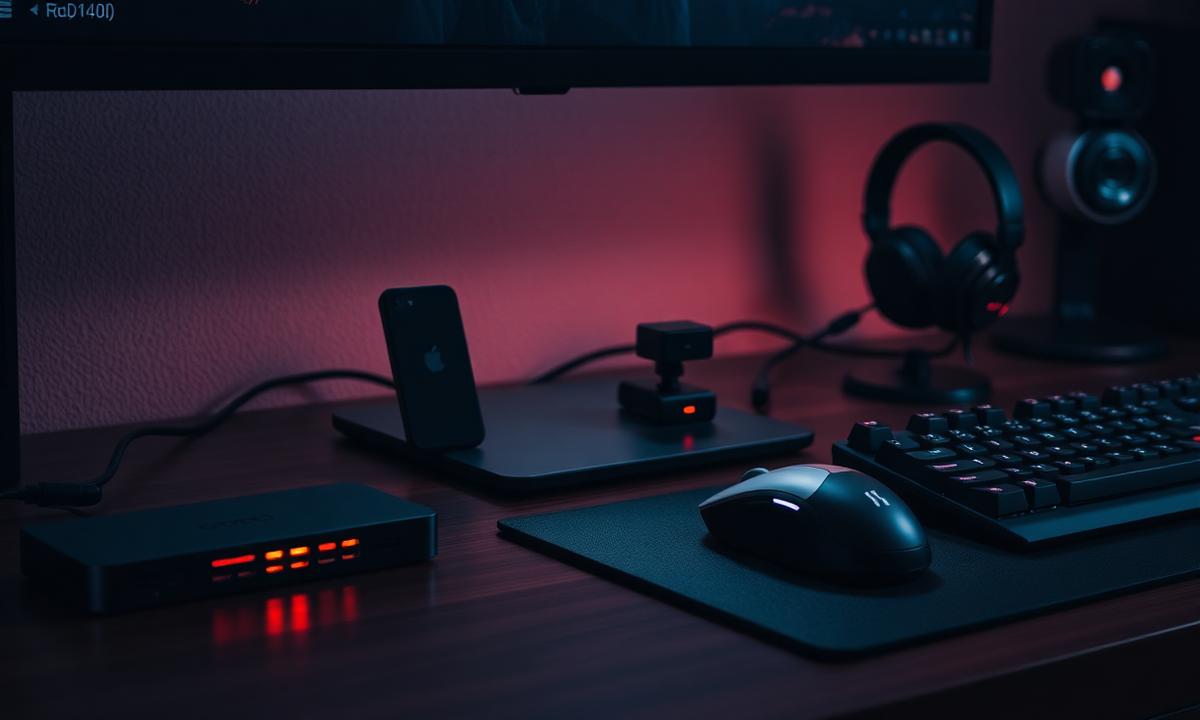
Desk culture exploded post-2020 and shows no sign of slowing. TikTok and Instagram are flooded with #deskTour and #setup content, and viewers consistently engage more with affordable upgrade videos than with expensive flex builds. The lesson is clear: small, smart purchases beat big spending almost every time.
- Average remote worker spends 7+ hours daily at a desk.
- 73% of hybrid workers say their desk impacts their mood (Owl Labs, 2024).
- Searches for "cheap desk gadgets" have grown 240% in 3 years (Google Trends).
- Most users replace or upgrade desk accessories every 12–18 months.
Top 3 Best Cheap USB hubs (Tested & Reviewed)
We selected each pick based on price, reviews, build quality, and real-world utility. Every product below has at least 4-star average ratings across major retailers and is available globally.
1. Anker 4-Port USB 3.0 Hub — $11.99
Bulletproof reliability. Anker's reputation is well-earned.
2. 7-in-1 USB-C Hub with HDMI — $24.99
HDMI, SD, USB, charging in one. Travel essential.
3. Powered USB Hub (10-port) — $29.99
External power = no bus issues. Charges devices simultaneously.
Buyer's Guide: How to Choose
Not every gadget is worth the shelf space. Use this checklist when shopping for cheap USB hubs:
- USB 3.0+ for any data transfer.
- Powered hubs for charging multiple devices.
- Aluminum housing dissipates heat best.
- Look for indicator LEDs (helps with troubleshooting).
- Stick with brands like Anker, UGREEN, Sabrent.
Common Mistakes to Avoid
Even cheap purchases can become expensive when you buy the wrong thing twice. Skip these common traps:
- Buying USB 2.0 in 2025 to save $3.
- Skipping a powered hub for charging-heavy setups.
- Ignoring cable length (most are too short).
- Choosing no-name brands without reviews.
"The best desk upgrades are the ones you stop noticing — they just work, every day, for years."
Real-World Impact
A clean, comfortable desk isn't just about looks — it measurably improves focus and reduces fatigue. A 2023 University of Exeter study found that workers with personalized, well-organized desks were up to 32% more productive than those in sterile, minimalist environments. Investing $20–$50 in the right cheap USB hubs typically pays back within weeks in saved time and reduced frustration.
Beyond productivity, there's a sustainability angle too. Buying one solid $15 organizer beats buying three flimsy $5 ones over the same period. Cheap doesn't have to mean disposable — it means smart spending.
Quick Setup Tips
- Plan your desk layout on paper before buying anything.
- Measure your desk depth — many gadgets assume 24" minimum.
- Buy clips and adhesives in bulk; you'll always need more.
- Group purchases to qualify for free shipping and save 10–15%.
- Keep receipts and check return windows — try before you commit.
Where to Buy
Amazon, AliExpress, IKEA, and MUJI consistently offer the best value. For premium-feel budget gear, check out smaller brands on Etsy and direct-to-consumer sites — they often beat big retailers on quality at the same price point.
Future Outlook
The next wave of cheap desk gadgets is being shaped by USB-C standardization, magnetic modular accessories, and small-batch indie designs. Expect more products to combine multiple functions (e.g., a desk mat with built-in wireless charging and cable channels) at lower price points as manufacturing scales.
Key Takeaways
- Cheap USB hubs deliver real productivity and comfort gains for under $30.
- Quality matters more than quantity — pick 3 great items, not 10 mediocre ones.
- Cable management and lighting offer the biggest visible upgrade per dollar.
- Ergonomics is the most underrated category for long-term value.
- Always check reviews and return windows before buying.
Related Reading on DeskGadgets
External Sources
Frequently Asked Questions
Are cheap desk gadgets actually worth buying?
Yes — when chosen carefully. The trick is buying based on reviews and material quality, not just price. A $10 cable organizer with 10,000 reviews will almost always outperform a $30 unknown brand.
What is the single best cheap desk gadget?
If you can only buy one, get an under-desk cable tray. It instantly transforms how your workspace looks and works, and they cost $15–$25.
Where can I find new cheap desk gadgets?
Amazon's Movers & Shakers list, r/battlestations on Reddit, and TikTok #deskTour are the three best sources for trending, low-cost desk upgrades.
How often should I refresh my desk setup?
Most people benefit from a small refresh every 6–12 months. Replace anything broken, add one new productivity tool, and reorganize cables quarterly.